
Innovative Reporting Packages: Tailoring Services for Clients

In today's fast-paced world, businesses are constantly seeking ways to improve their reporting processes. Traditional reporting methods often fall short in meeting the diverse needs of clients. This is where innovative reporting packages come into play. These packages not only enhance the quality of reports but also tailor services to meet specific client requirements. In this blog post, we will explore the concept of innovative reporting packages, their benefits, and how they can be effectively implemented to serve clients better.
Understanding Innovative Reporting Packages
Innovative reporting packages are comprehensive solutions designed to provide clients with customized reports that cater to their unique needs. Unlike standard reports, these packages incorporate advanced data analytics, visualization tools, and user-friendly interfaces. They allow clients to access relevant information quickly and efficiently, enabling them to make informed decisions.
Key Features of Innovative Reporting Packages
Customization
Clients can choose the specific metrics and data points they want to include in their reports. This level of customization ensures that the reports are relevant and actionable.
Real-Time Data Access
With innovative reporting packages, clients can access real-time data, allowing them to respond swiftly to changes in their business environment.
Interactive Visualizations
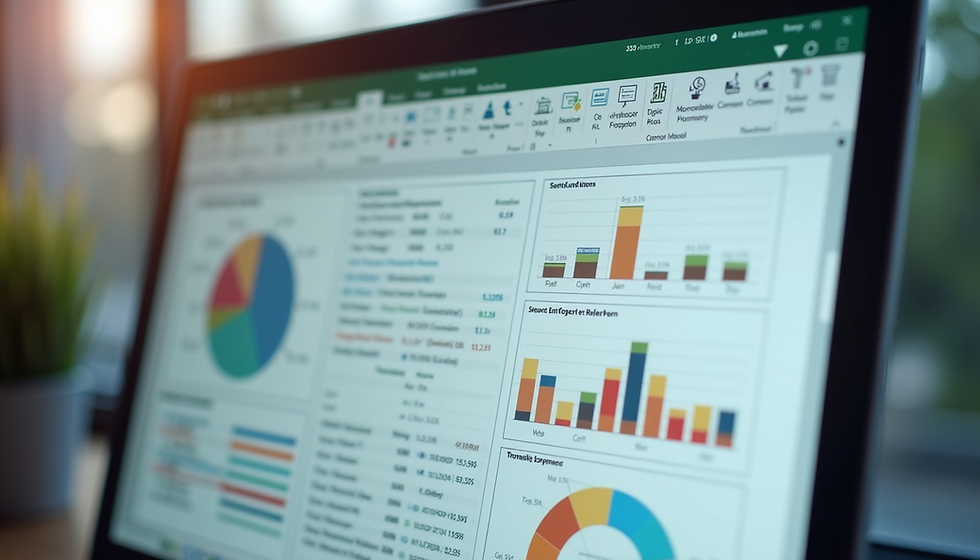
Reports often include interactive charts and graphs that make complex data easier to understand. This feature enhances the user experience and aids in data interpretation.
Automated Reporting
Many packages offer automation features that reduce the time spent on report generation. This allows teams to focus on analysis rather than data compilation.
Integration Capabilities
Innovative reporting packages can integrate with various data sources, ensuring that clients have a holistic view of their operations.
Benefits of Tailoring Reporting Services
Tailoring reporting services to meet client needs offers several advantages:
Enhanced Client Satisfaction
When clients receive reports that are specifically designed for them, their satisfaction levels increase. Tailored reports address their unique challenges and provide insights that are directly applicable to their business.
Improved Decision-Making
Customized reports enable clients to make better decisions. By focusing on the most relevant data, clients can identify trends, opportunities, and potential risks more effectively.
Increased Efficiency
Automated and streamlined reporting processes save time and resources. This efficiency allows teams to allocate their efforts toward strategic initiatives rather than manual reporting tasks.
Competitive Advantage
Businesses that utilize innovative reporting packages gain a competitive edge. By leveraging data effectively, they can respond to market changes faster than their competitors.
Implementing Innovative Reporting Packages
To successfully implement innovative reporting packages, businesses should follow a structured approach:
Step 1: Identify Client Needs
Understanding the specific needs of clients is crucial. Conduct surveys or interviews to gather insights about the types of reports they find most valuable.
Step 2: Choose the Right Tools
Select reporting tools that offer the features necessary for customization, real-time data access, and integration capabilities. Popular tools include Tableau, Power BI, and Google Data Studio.
Step 3: Develop a Prototype
Create a prototype of the reporting package based on client feedback. This prototype should showcase the customization options and interactive features.
Step 4: Gather Feedback
Present the prototype to clients and gather their feedback. This step is essential for refining the reporting package to ensure it meets their expectations.
Step 5: Launch and Train
Once the reporting package is finalized, launch it and provide training to clients on how to use the new system effectively. Ensure they understand how to access and interpret their reports.
Step 6: Continuous Improvement
After the launch, continue to gather feedback from clients. Use this information to make ongoing improvements to the reporting package, ensuring it remains relevant and valuable.
Case Study: A Successful Implementation
To illustrate the effectiveness of innovative reporting packages, consider the case of a mid-sized retail company that struggled with its reporting processes. The company relied on manual data entry and standard templates, which led to inaccuracies and delays.
The Solution
The retail company decided to implement an innovative reporting package that allowed for customization and real-time data access. They worked closely with a reporting solutions provider to develop a tailored package that included:
Custom Dashboards: Dashboards that displayed key performance indicators (KPIs) relevant to their sales and inventory management.
Automated Reports: Weekly sales reports that were automatically generated and sent to the management team.
Interactive Visualizations: Charts that allowed users to drill down into specific product categories and sales regions.
The Results
After implementing the innovative reporting package, the retail company experienced significant improvements:
Time Savings: The time spent on report generation decreased by 50%, allowing the team to focus on strategic planning.
Increased Accuracy: Automation reduced human error, leading to more accurate reports.
Better Decision-Making: Management was able to make data-driven decisions quickly, resulting in a 15% increase in sales over six months.
Challenges in Implementation
While the benefits of innovative reporting packages are clear, businesses may face challenges during implementation:
Resistance to Change
Employees may be resistant to adopting new reporting tools. To overcome this, it is essential to communicate the benefits of the new system and provide adequate training.
Data Quality Issues
If the underlying data is inaccurate or incomplete, the reports generated will also be flawed. Businesses must ensure data quality before implementing new reporting packages.
Integration Difficulties
Integrating new reporting tools with existing systems can be complex. It is crucial to choose tools that offer seamless integration capabilities.
Future Trends in Reporting Packages
As technology continues to evolve, so do reporting packages. Here are some trends to watch for in the future:
Artificial Intelligence and Machine Learning
AI and machine learning will play a significant role in reporting packages. These technologies can analyze vast amounts of data and provide predictive insights, helping businesses anticipate trends and make proactive decisions.
Enhanced User Experience
Future reporting packages will focus on user experience, offering intuitive interfaces and personalized dashboards that cater to individual user preferences.
Greater Emphasis on Data Security
As data privacy concerns grow, reporting packages will need to prioritize security features to protect sensitive information.
Conclusion
Innovative reporting packages are transforming the way businesses approach reporting. By tailoring services to meet client needs, companies can enhance client satisfaction, improve decision-making, and gain a competitive advantage. Implementing these packages requires a structured approach, but the benefits far outweigh the challenges. As technology continues to advance, businesses that embrace innovative reporting solutions will be well-positioned for success.

Comments